What Is a Personal Loan Balance Transfer?
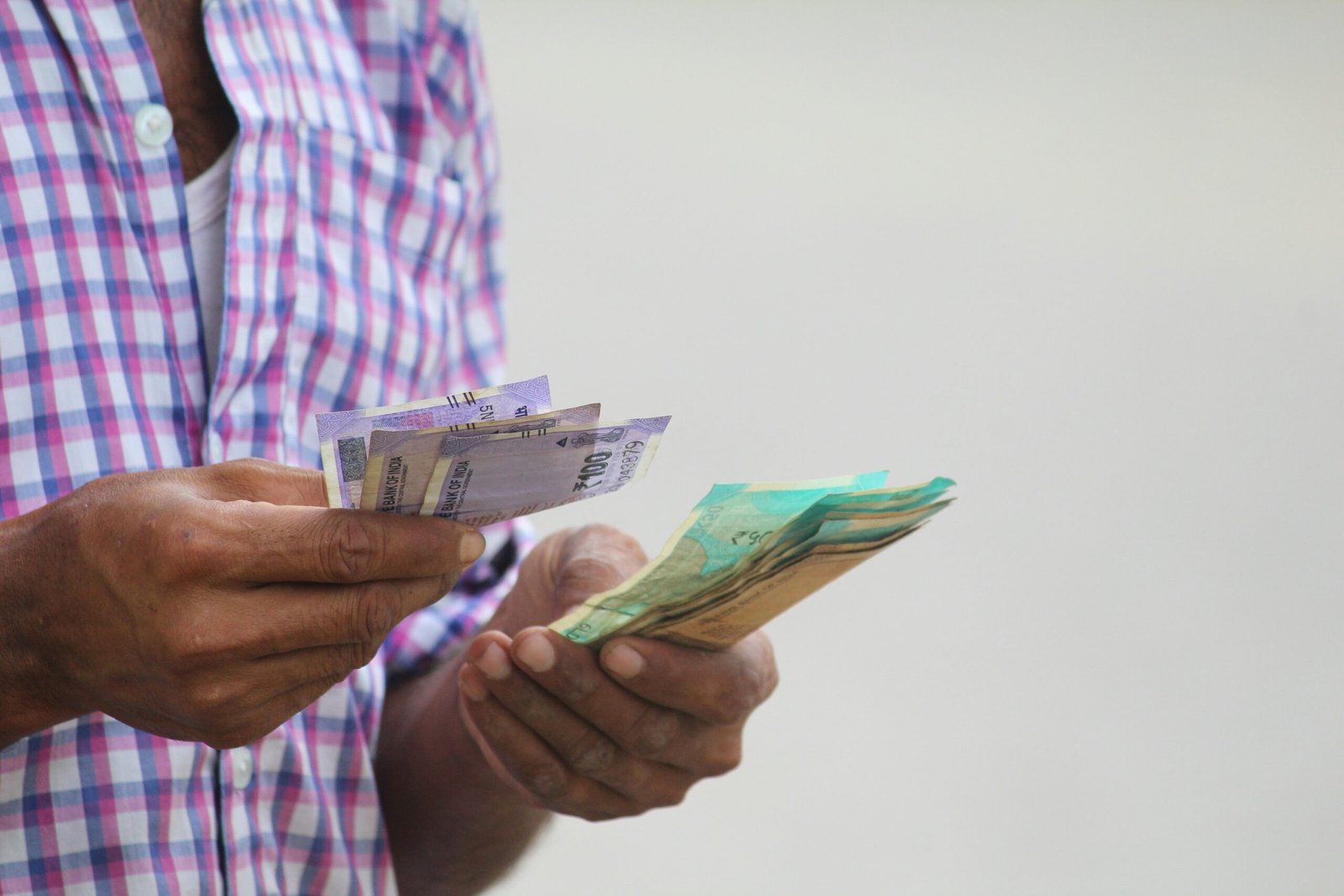
A personal loan balance transfer — also called a personal loan refinance — is the process of moving your existing outstanding loan from your current bank or NBFC to a new lender offering a lower interest rate. The new lender pays off your old loan in full, and you continue repaying the same outstanding amount to them, but at a reduced rate and often with a fresh, more favourable tenure.
This is common in India because personal loan rates change frequently, and lenders often reserve their best rates for new customers rather than existing ones. A borrower who took a loan at 20% two years ago may find the same lender — or a competitor — now offering 13% to fresh applicants with an improved credit profile.
Why Consider a Balance Transfer?
-
1Lower Interest Rate
The primary reason to transfer. Even a 3–5% rate cut on a large outstanding balance can save tens of thousands of rupees over the remaining tenure.
-
2Reduced EMI or Shorter Tenure
A lower rate means you can either bring your monthly EMI down for the same tenure, or keep the EMI similar and close the loan faster — your choice.
-
3Improved Credit Profile Since Original Loan
If your CIBIL score has risen from, say, 680 to 760 since you took the loan, you now qualify for materially better rates that your current lender may not automatically offer you.
-
4Access to a Top-Up
Many lenders bundle a top-up loan with a balance transfer, letting you borrow a bit extra at the new, lower blended rate instead of taking a separate high-cost loan.
-
5Better Service or Repayment Terms
Some borrowers switch for reasons beyond rate — a lender with better customer service, more flexible prepayment terms, or a more convenient repayment mode.
Eligibility for Personal Loan Balance Transfer
| Criteria | Typical Requirement |
|---|---|
| Repayment track record | Minimum 6–12 EMIs paid on time on the existing loan |
| CIBIL score | 700+ preferred for the best transfer rates |
| Remaining tenure | At least 12 months left for the transfer to be cost-effective |
| No current default | Loan must be regular — no ongoing missed payments |
| Income stability | Same salaried/self-employed documentation as a fresh loan |
Documents Required
- Loan account statement or foreclosure letter from your existing lender showing outstanding principal
- PAN card and Aadhaar card
- Latest 3 months' salary slips (salaried) or last 2 years' ITR (self-employed)
- Bank statement of the last 6 months showing EMI debits
- Passport-size photograph
How the Balance Transfer Process Works
-
1Get the Foreclosure Statement
Request a foreclosure letter from your current lender stating the exact outstanding amount and any applicable foreclosure charge.
-
2Compare and Apply with the New Lender
Shop rates across banks and NBFCs, then apply with the new lender for a balance transfer loan equal to your outstanding amount.
-
3New Lender Sanctions the Loan
Once approved, the new lender issues a sanction letter and, in most cases, disburses the funds directly to your old lender rather than to you.
-
4Old Loan Is Closed
Your original loan account is marked closed once the new lender's payment is received. Always collect a No Dues Certificate (NDC) as proof.
-
5Start EMIs with the New Lender
You now repay the new lender at the revised rate and tenure. Set up the mandate (NACH/ECS) for the new EMI schedule promptly to avoid a missed first payment.
Costs Involved in a Balance Transfer
A balance transfer is not free — weigh these costs against the interest you expect to save:
| Charge | Typical Range | Charged By |
|---|---|---|
| Foreclosure charge | 0–5% of outstanding principal | Old lender |
| Processing fee | 0.5–2% of transfer amount | New lender |
| GST on fees | 18% on processing and other charges | New lender |
| Stamp duty / documentation | Nominal, varies by state | New lender |
When a Balance Transfer Makes Sense
✅ Rate Gap of 2–3% or More
If the new lender's offer is meaningfully lower than your current rate, the interest savings typically outweigh transfer costs.
✅ Significant Tenure Remaining
With 18 months or more left to repay, a lower rate compounds into real savings. The longer the remaining tenure, the bigger the benefit.
✅ Improved Credit Score
If your CIBIL score has crossed 750 since taking the original loan, you likely qualify for a materially better rate elsewhere.
✅ No or Low Foreclosure Charge
If your existing loan is a floating-rate bank loan with no prepayment penalty, a transfer has almost no downside beyond the new processing fee.
When You Should Skip It
❌ Loan Is Almost Repaid
With only a few EMIs left, the interest saved will be smaller than the processing and foreclosure charges involved.
❌ Rate Gap Under 1–2%
A marginal rate improvement rarely covers transfer costs once fees and paperwork are factored in.
❌ High Foreclosure Penalty
If your current lender charges a steep foreclosure fee, calculate the exact numbers before assuming the switch saves money.
❌ Credit Score Has Dropped
If your score has fallen since the original loan, a new lender may only offer a similar or higher rate — check eligibility before applying.
Balance Transfer vs Top-Up Loan
| Feature | Balance Transfer | Top-Up Loan |
|---|---|---|
| Purpose | Move existing loan to a cheaper lender | Borrow additional funds on an existing loan |
| Lender | New lender (usually) | Same lender as existing loan |
| Effect on rate | Can lower your rate significantly | Usually same or similar rate as existing loan |
| Best for | Borrowers with a better credit profile now | Borrowers needing extra funds without switching lenders |
Not Sure If a Transfer Will Save You Money?
Share your current loan details with our team — we'll calculate the exact savings after fees and tell you honestly whether a balance transfer is worth it for you.
Get a Free Balance Transfer CheckFrequently Asked Questions
It's worth it when the new interest rate is at least 2–3% lower than your current rate and you have a meaningful tenure remaining — generally 12 months or more. Always calculate total interest saved minus foreclosure and processing charges before deciding, rather than comparing rates alone.
A balance transfer itself is neutral to slightly positive — your old loan shows as "closed" and the new one appears as active, which does not hurt your score. However, the new lender's hard credit inquiry causes a small, temporary dip of a few points, which recovers within a few months of regular repayment.
Most lenders prefer at least 6–12 months of clean repayment history before approving a balance transfer application, though this varies by lender. Transferring too early may also mean your existing lender charges a higher foreclosure penalty, since many lenders reduce or waive this charge only after a minimum holding period.
Yes. A balance transfer is processed as a new loan application by the new lender, so they will pull a fresh CIBIL report and evaluate your current income, obligations, and repayment history — not just approve it automatically based on your existing loan.
Yes, most lenders offer a combined "balance transfer + top-up" product, letting you move your existing outstanding amount and borrow additional funds in a single application — typically at the same lower blended interest rate, which is far cheaper than taking a fresh separate personal loan.