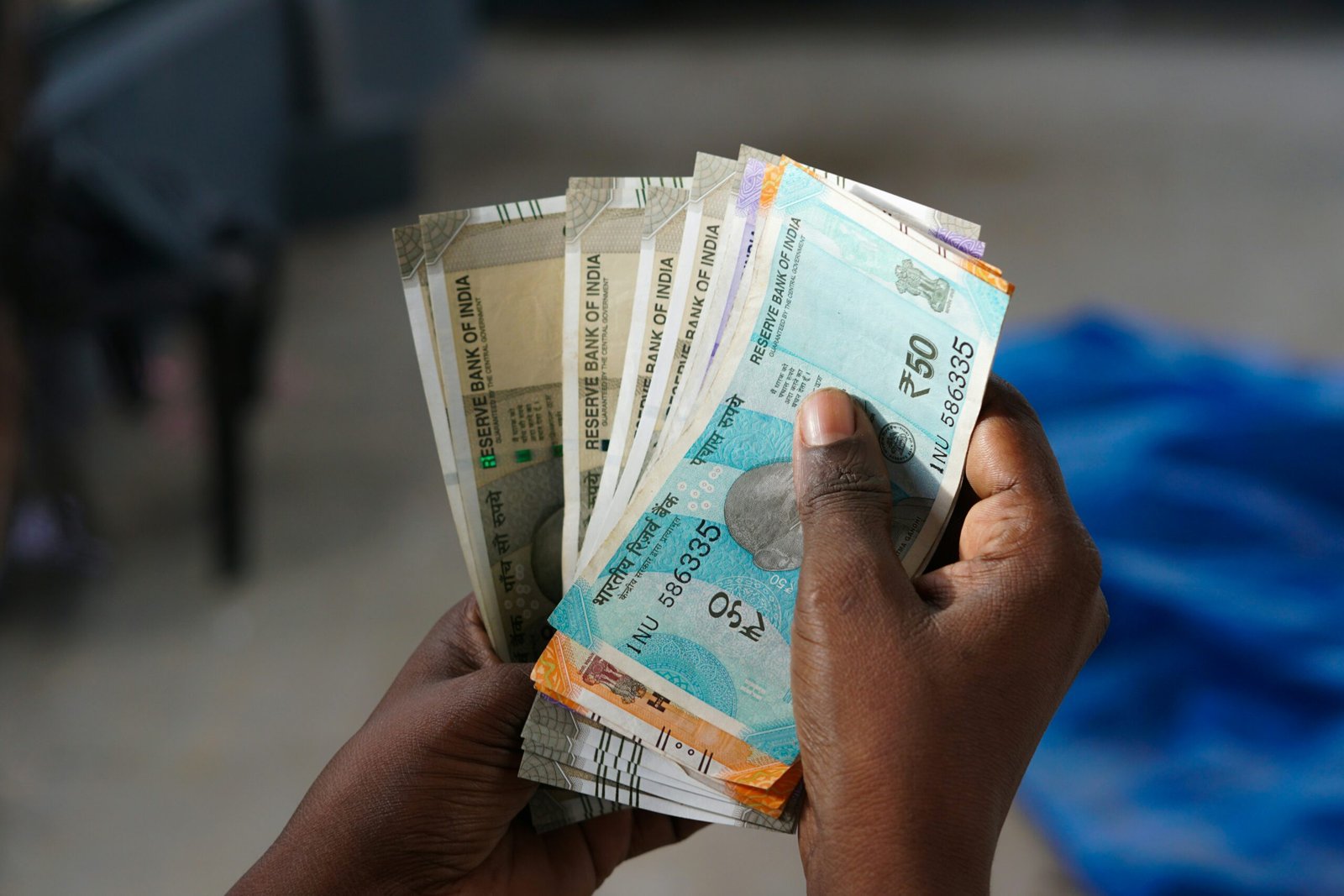
Personal loan interest rates in India in 2026 start from around 10% per annum at leading banks. Your actual rate depends on your CIBIL score, income, employment type, and the lender you choose. This guide compares all major lenders and tells you exactly how to get the lowest rate possible.
Quick Answer: Personal loan interest rates in India in 2026 range from 10.30% to 24% p.a. depending on the lender and your credit profile. SBI offers the lowest starting rate at 10.30% p.a. for eligible salaried borrowers. Compare live rates on NamasteRupee.
What Is a Personal Loan?
A personal loan is an unsecured loan — no collateral or guarantor required. Since lenders take on higher risk without security, personal loan interest rates in India are generally higher than secured loan rates like home or gold loans. Your income, credit score, and employment type are the primary factors that determine the rate you are offered.
Personal Loan Interest Rates in India 2026 — Lender Comparison
Below is a comparison of personal loan interest rates from major banks and NBFCs in 2026. Rates are indicative — your actual rate depends on your CIBIL score, income, and lender assessment.
| Bank / NBFC | Interest Rate (p.a.) | Max Tenure | Type |
|---|---|---|---|
| SBI | 10.30% – 15.30% | Up to 6 years | Bank |
| HDFC Bank | 10.50% – 21.00% | Up to 5 years | Bank |
| ICICI Bank | 10.65% – 19.00% | Up to 5 years | Bank |
| Axis Bank | 10.75% – 22.00% | Up to 5 years | Bank |
| Kotak Mahindra Bank | 10.99% onwards | Up to 5 years | Bank |
| Bajaj Finserv | 11.00% – 24.00% | Up to 5 years | NBFC |
Rates are indicative and vary based on credit profile, income, and lender policy. Compare live offers on namasterupee.com for the most current rates.
Factors Affecting Personal Loan Interest Rates in India
The personal loan interest rates you are offered are not fixed — they depend on four key factors.
1. Credit Score (CIBIL)
Your CIBIL score is the single biggest determinant of personal loan interest rates. A higher score signals lower risk to the lender — directly unlocking lower rates.
2. Monthly Income
Higher and more stable income directly lowers the interest rates offered to you. Lenders view higher income as stronger repayment capacity, reducing their risk. Most banks require a minimum of ₹20,000–₹25,000 per month for salaried applicants.
3. Employment Type
Salaried (MNC / PSU / Govt): Lowest personal loan interest rates — predictable income equals lower lender risk.
Self-Employed / Business: Slightly higher rates — variable income seen as higher risk by lenders.
4. Existing Loans & EMIs
High existing debt obligations raise your Fixed Obligations to Income Ratio (FOIR), signalling higher risk. Lenders may offer higher interest rates to offset that risk. Closing small existing loans before applying can improve your offered rate significantly.
Personal Loan Eligibility Criteria (2026)
Salaried Individuals
- Age: 21–60 years
- Min monthly income: ₹20,000–₹25,000
- Employment stability: 6–12 months in current job
- CIBIL score: 700+ preferred
Self-Employed Individuals
- Age: 24–65 years
- Business vintage: Minimum 2–3 years
- Stable income with regular ITR filing
EMI Calculation Example
Here is how the same loan amount looks at different interest rates — illustrating why even a small rate difference matters:
A 7.5% difference in rate adds over ₹65,000 in extra interest over 36 months on a ₹5 lakh loan. Use our Personal Loan EMI Calculator to see the exact difference for your amount.
Bank vs NBFC — Which Offers Better Interest Rates?
| Feature | Bank | NBFC |
|---|---|---|
| Interest Rate | Lower (from 10.30%) | Slightly higher (from 11%) |
| Approval Speed | Moderate (1–3 days) | Faster (same day possible) |
| Credit Score Flexibility | Strict (750+ preferred) | More flexible (650+ accepted) |
| Documentation | More extensive | Minimal |
| Best For | Lowest rate, CIBIL 750+ | Fast funds, lower CIBIL |
How to Get the Lowest Personal Loan Interest Rate
Maintain a CIBIL score of 750+
The single most effective way to access the lowest rates.
Compare multiple lenders
Rates vary significantly. Use NamasteRupee to compare all in one place without hard enquiries.
Reduce existing EMIs before applying
A lower FOIR signals better repayment capacity and typically results in a lower offered rate.
Avoid multiple simultaneous applications
Each hard enquiry reduces your CIBIL score, which can raise the rate you are offered.
Have a salary account with your chosen lender
Existing bank relationship customers often get preferential interest rates.
How to Apply for a Personal Loan Online via NamasteRupee
Visit namasterupee.com
Go to the Personal Loan section on our homepage.
Enter Details
Income, employment, loan amount needed.
Compare Offers
Live rates from all banks and NBFCs.
Upload Documents
Submit KYC and income proof digitally.
Expert Assistance
Free guidance until disbursal.
Loan Disbursal
Funds in your account within 24–48 hours.